
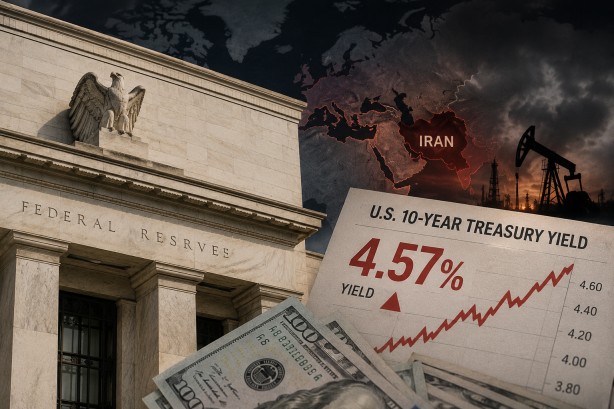
The borrowing costs for the US government have surged to their highest point since 2007, following the Federal Reserve’s decision to maintain its current interest rate. This move is rooted in ongoing concerns about inflation, which continues to unsettle investors. As a result, major stock indexes in the US experienced sharp declines, reflecting increased anxiety in financial markets.
Adding to the market’s unease is the escalating conflict in the Middle East. The US recently launched strikes against Iranian targets in response to attacks on American forces stationed in Jordan. This escalation has contributed to heightened geopolitical tensions, further complicating the economic landscape.
In the wake of these developments, Brent crude oil prices have risen above $88 per barrel. The increase in oil prices is fueling worries about the potential for higher energy costs, which could contribute to global inflationary pressures. As energy expenses rise, the impact on inflation is expected to be significant, raising concerns among analysts and investors alike.
Analysts are closely monitoring the interplay of these factors—elevated interest rates, geopolitical strife, and rising oil prices—as they collectively exert greater pressure on financial markets. This confluence of challenges is amplifying fears regarding the future of the global economy, with uncertainty becoming a predominant theme.
The combination of persistent inflation concerns, regional conflicts, and fluctuating energy costs underscores the complexity of the current economic environment. As policymakers and investors navigate these turbulent waters, the implications for the global economic outlook remain a point of intense focus and debate.
