
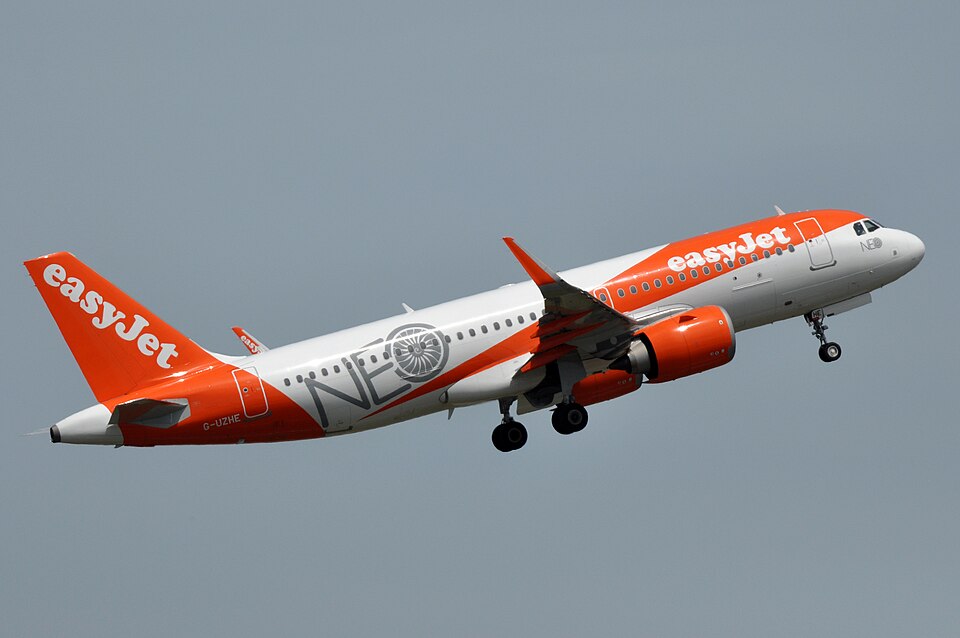
EasyJet has labeled a possible acquisition attempt by the American investment firm Castlelake as “highly opportunistic,” asserting that the airline’s current market valuation does not reflect its true long-term worth. Castlelake recently revealed its consideration of a bid for the budget airline, having already secured a 2.14% stake in the company. The proposed offer from Castlelake would value EasyJet at no less than 403 pence per share, amounting to roughly £3 billion.
The airline attributed its current share price dip to temporary market instability stemming from geopolitical tensions in the Middle East. These tensions have negatively impacted consumer confidence and led to increased jet fuel costs. Nevertheless, EasyJet’s board remains confident in the airline’s robust financial standing, strategic growth plans, and potential for future profitability. Following the announcement of Castlelake’s interest, EasyJet shares experienced a notable surge, climbing to their highest point in three months and surpassing the proposed offer price—hinting that investors might anticipate a more substantial bid or perceive the airline’s value as exceeding Castlelake’s appraisal.
Under UK takeover regulations, Castlelake faces a deadline of June 26 to decide on whether to proceed with a formal offer. Analysts have pointed out that any acquisition attempt could encounter regulatory obstacles due to European Union rules, which mandate that European airlines must remain majority-owned and controlled by regional investors. This stipulation could pose challenges for a takeover by a firm based in the United States.
EasyJet stands as one of Europe’s foremost low-cost airlines, operating an extensive network across the continent and employing over 16,000 people. The airline continues to hold a significant position in the European aviation market. Meanwhile, Castlelake, which is already engaged in the aviation industry through various investments and financial partnerships with multiple airlines, signals its confidence in EasyJet’s long-term earnings potential and market standing with its interest in the carrier.
This development underscores the increasing allure of UK-listed companies to international investors, particularly as many of these firms continue to trade at lower valuations compared to their counterparts in other major global markets.
