
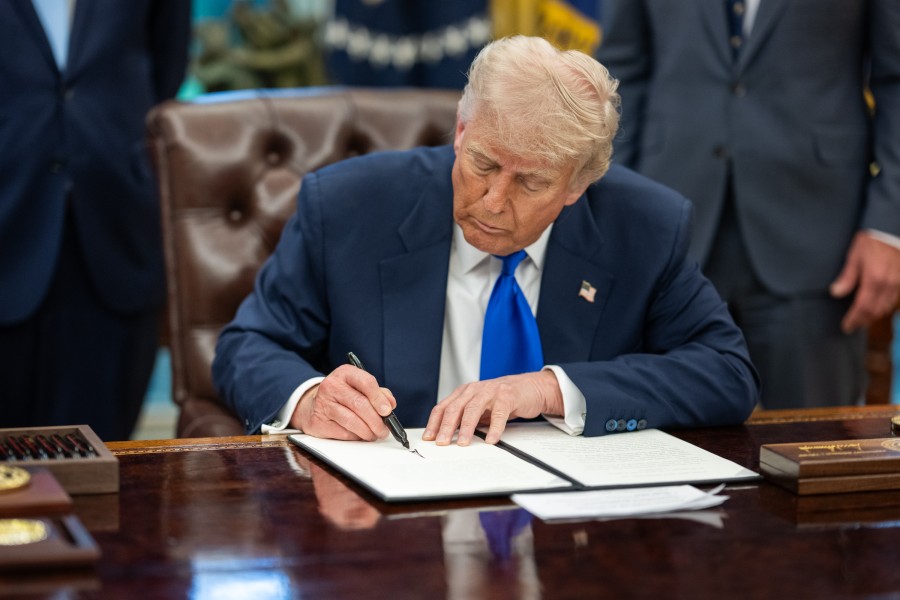
Amid escalating bipartisan criticism, President Donald Trump is navigating challenges over his preliminary accord with Iran, while Vice President JD Vance has characterized ongoing peace discussions as both productive and promising. The tensions flared following Trump’s cautionary statement suggesting the United States might initiate military action against Iran if it fails to curb Hezbollah’s activities in Lebanon. These comments coincided with US-Iranian negotiations in Switzerland, aimed at forging a comprehensive peace agreement.
In response to Trump’s statements, Iranian state media noted that Iran’s delegation briefly exited the negotiation venue, though talks reportedly continued through intermediaries. The emerging agreement has attracted skepticism from prominent political figures in the United States, who are wary of its potential repercussions. Republican Senator John Cornyn voiced concerns that easing economic sanctions could enable Iran to fortify its military and potentially resume sensitive nuclear operations. On the Democratic front, former National Security Adviser Susan Rice criticized the framework as disproportionately favorable to Tehran, highlighting that significant concessions, such as lifting sanctions and granting access to financial resources, occurred prior to reaching a conclusive agreement on Iran’s nuclear ambitions.
Additionally, Senator Cory Booker expressed reservations, contending that Iran is set to reap substantial economic rewards without offering sufficient commitments in return. The agreement purportedly allows Iran increased capabilities to export oil and access previously restricted financial assets. Proponents argue these measures are pivotal for fostering diplomatic progress and alleviating Middle Eastern tensions.
In contrast, Vice President Vance has maintained an upbeat perspective following the initial round of negotiations in Switzerland, noting considerable progress and expressing optimism about achieving further breakthroughs. The dialogue is part of broader initiatives to stabilize the region, which include mitigating tensions in Lebanon and ensuring the uninterrupted flow of energy through the critical Strait of Hormuz.
US Energy Secretary Chris Wright has also supported the administration’s strategy, asserting that recent military and diplomatic developments have significantly undermined Iran’s negotiating stance, presenting a chance for a more advantageous long-term resolution. Despite the advancements reported by negotiators, the deal continues to encounter political scrutiny in Washington, where skepticism persists among critics from both parties regarding the concessions afforded to Tehran and the potential long-term impact on regional security.
