
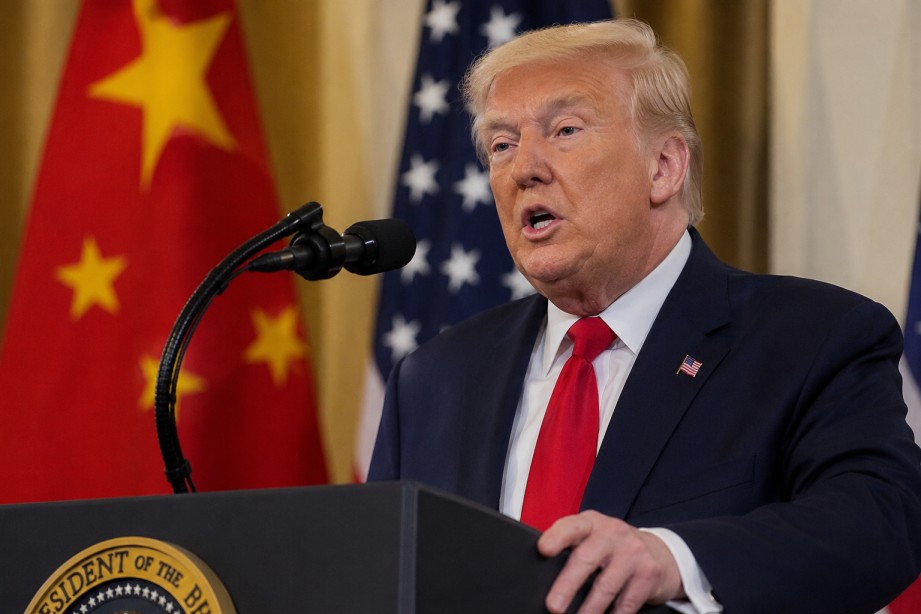
In a recent announcement, former US President Donald Trump reiterated his claims that China played a role in the 2020 US presidential election. Trump declared that he would declassify intelligence documents and instructed federal bodies to scrutinize what he termed as concealed vulnerabilities in election security. His statements, made during a televised address, included calls for the Department of Justice, FBI, CIA, and the Office of the Director of National Intelligence to delve into how intelligence related to the 2020 election was managed.
Trump also appealed to Congress to enact more stringent voter identification laws, citing a lack of public trust in the US electoral system. However, these claims were met with strong opposition from Democratic leaders. They pointed out that numerous investigations, assessments by intelligence agencies, court rulings, audits, and recounts have consistently shown no evidence of foreign interference that altered the election results. Critics argued that Trump’s allegations were an attempt to erode public confidence as the congressional midterm elections approached.
Responding to the accusations, China firmly denied any involvement, maintaining its well-established stance of not interfering in the domestic affairs of other nations. This denial aligns with a US intelligence assessment released in 2021, which concluded that no foreign power, China included, manipulated the technical aspects of the voting process during the 2020 US election.
The renewed allegations by Trump have stirred a contentious debate about election integrity and foreign interference, themes that have persisted since the election. While Trump and his supporters continue to raise doubts, the official position from multiple investigations and intelligence reports remains that the election’s outcome was not influenced by foreign actors.
