
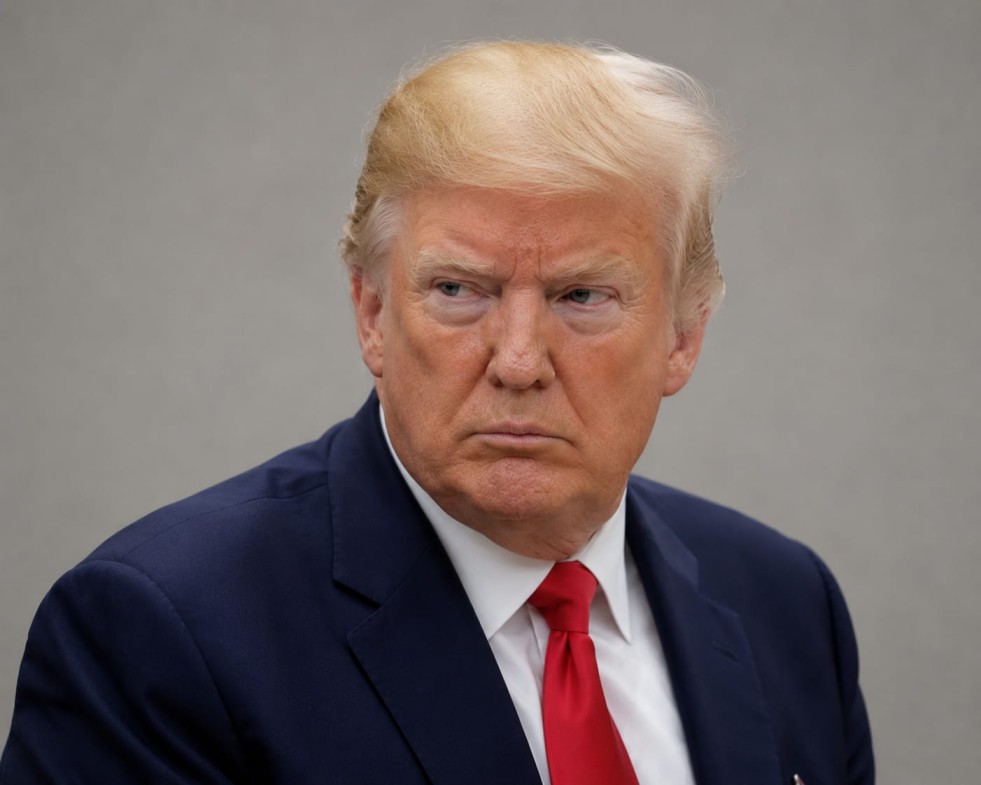
As the North Atlantic Treaty Organization (NATO) summit in Ankara approaches, U.S. President Donald Trump has voiced his dissatisfaction with the current dynamics of American involvement in the alliance. Describing the U.S. role as “one-sided” and “not reciprocal,” Trump criticized the level of support the United States receives from its NATO allies, particularly in the context of the recent conflict with Iran. He expressed his frustration over what he views as an unfair burden on Washington, which he deems “ridiculous,” highlighting the disproportionate share the U.S. shoulders in the alliance’s defense efforts.
For some time, Trump has been urging NATO’s European members to take on more responsibility for their own security. His administration has already begun to scale back certain U.S. defense commitments in Europe, a move that underscores his call for a rebalancing of responsibilities within the alliance. The U.S. president’s stance has sparked discussions and debates ahead of the upcoming summit, where the issue of defense contributions is expected to take center stage.
U.S. Secretary of State Marco Rubio has acknowledged the existing tensions within NATO, pointing out that President Trump is dissatisfied with the response of some member countries to U.S. military operations in the Middle East. Rubio indicated that this dissatisfaction will be a significant topic of discussion during the upcoming gathering of NATO leaders. His comments shed light on the internal challenges the alliance faces as it seeks to address security concerns and defense cooperation among its members.
Scheduled for July 7–8 in Ankara, the NATO summit will bring together leaders from all 32 member countries. The meeting aims to address crucial issues such as defense cooperation, security challenges, and the alliance’s future commitments. As these leaders convene, the focus will likely be on how to maintain a balanced and effective partnership among NATO countries, ensuring that all members contribute equitably to shared defense objectives.
