
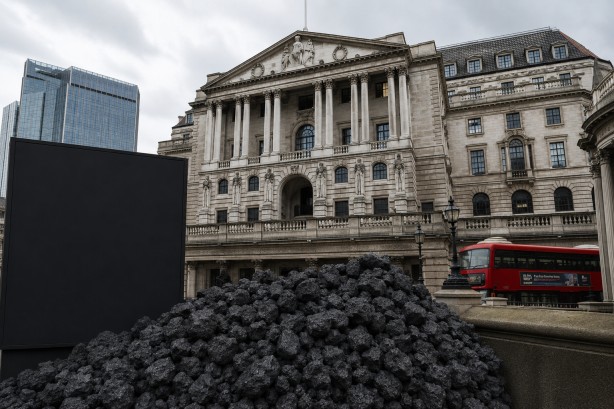
The Bank of England has taken a notable step in tackling climate-related financial risks by announcing that it will cease accepting bonds associated with thermal coal companies as collateral in its lending operations starting in October. This move represents a shift in policy as the central bank aims to address the financial instability posed by climate change.
Commercial banks, including some of the largest lenders, use bonds as collateral when they borrow funds from the central bank to facilitate their daily operations and transaction settlements. However, under the new guidelines, bonds linked to thermal coal—an energy source used in electricity generation—will no longer be eligible as collateral. This decision highlights the financial risks faced by firms involved in thermal coal, as global initiatives to transition towards cleaner energy and achieve net-zero emissions gain momentum.
The Bank of England’s policy also includes provisions to apply discounts to bonds from other sectors that are exposed to climate risks. This approach aims to safeguard the central bank’s balance sheet against potential losses associated with environmentally risky assets. The move has been applauded by environmental groups, who view it as a strong signal to financial markets, potentially encouraging commercial banks to diminish their involvement with highly polluting industries.
More than 150 prominent financial institutions globally have already imposed restrictions on business dealings related to the thermal coal industry. Analysts highlight that the policy’s success will largely depend on how effectively climate risks are assessed and whether similar measures are implemented for other environmentally detrimental activities in the future. By taking this step, the Bank of England sets a precedent that could influence broader financial market practices concerning climate change.
