
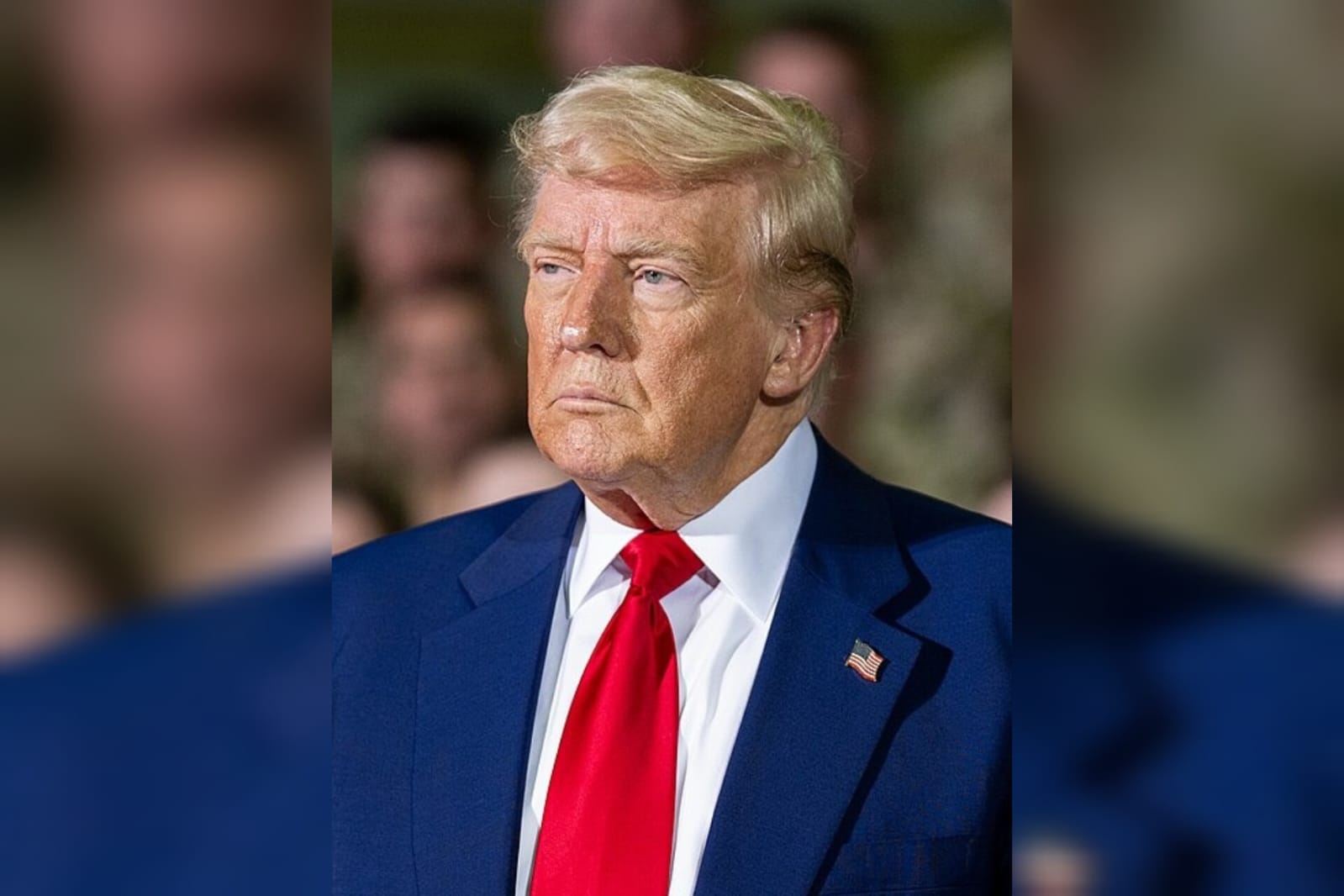
The memorandum of understanding (MOU) signed by U.S. President Donald Trump and Iran has sparked a wave of global reactions, highlighting the deep divisions over its implications. While some international leaders see it as a positive step toward easing tensions, critics are concerned that it offers Iran substantial concessions without concrete assurances regarding its nuclear ambitions.
Among those welcoming the agreement is Pakistan’s Prime Minister Shehbaz Sharif, who commended the diplomatic efforts involved. He emphasized that the deal could lead to the reopening of the Strait of Hormuz and initiate further negotiations between Washington and Tehran. Similarly, leaders of the G7 expressed their approval, viewing the agreement as a significant opportunity to prevent Iran from developing nuclear weapons and stabilize global energy markets.
Under the agreement, Iran is set to reopen the strategically vital Strait of Hormuz. In exchange, the United States will ease certain sanctions related to Iranian oil exports, petroleum products, and associated banking services. Over the next 60 days, both nations are expected to enter negotiations concerning Iran’s nuclear program and its reserves of highly enriched uranium.
However, the deal has faced strong opposition in Israel, where political figures and former officials argue that it might bolster Iran economically without ensuring substantial constraints on its nuclear activities. Some opposition voices criticized the Israeli government for being excluded from the negotiation process, while analysts cautioned that the agreement could pose increased security challenges for Israel.
In the United States, the reactions have been mixed. Some Republican lawmakers cautiously endorsed the idea of giving diplomacy a chance, noting the potential benefits of reopening the Strait of Hormuz and reducing hostilities. On the other hand, several Democratic leaders, along with other Republican figures, expressed concerns that the agreement offers economic advantages to Iran while securing only vague commitments on its nuclear ambitions. President Trump hailed the deal as a major triumph for the United States, whereas Iranian officials claimed it validated their negotiation strategy.
