
The reopening of the Strait of Hormuz could take place within six days if the United States agrees to conditions set by Iran, according to Iranian Foreign Minister Abbas Araghchi. This development hinges on ongoing discussions between Tehran and Washington, with the potential for negotiations to resume as early as the next day.
Iran has proposed that the U.S. lift restrictions on Iranian ports, remove sanctions on its oil exports, and cease hostilities in the region. However, significant obstacles remain, particularly regarding Iran’s nuclear program. The U.S. is pressing for nuclear issues, including uranium enrichment, to be addressed immediately, whereas Iran insists that initial talks should concentrate on reopening the Strait and restoring security in the waterway.
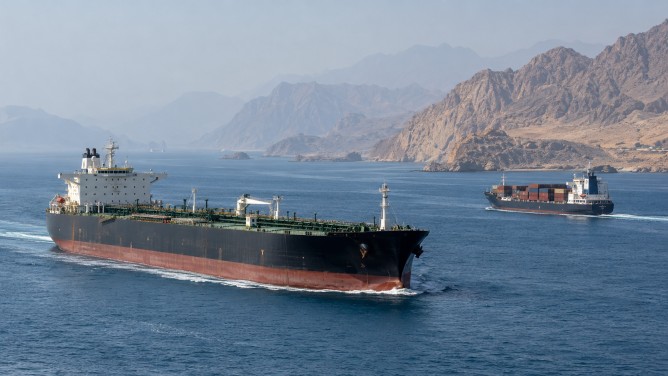
The Strait of Hormuz is a vital global shipping route, previously facilitating nearly a fifth of the world’s oil and liquefied natural gas trade. Any sustained disruption could have far-reaching impacts on international energy supplies and global fuel prices.
Iranian Defence Minister Mehrdad Akhlaghi has issued a warning against renewed U.S. military actions, stating that such actions would cause significant damage to Washington and its allies in the region. He emphasized that Tehran is prepared to respond to any further attacks, highlighting the tense geopolitical situation.
Despite the proposed timeline for reopening the strait, substantial differences between the U.S. and Iran regarding the terms to end hostilities leave the prospects for a diplomatic resolution uncertain. The situation remains fluid, with both sides needing to find common ground to ease tensions and restore stability to this critical maritime corridor.
