
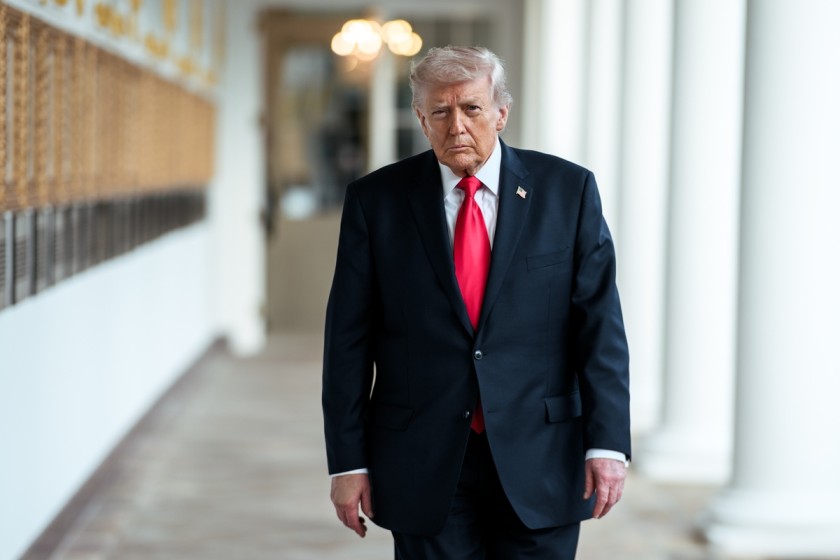
Efforts to forge a long-term agreement on regional security and stability between the United States and Iran encountered initial setbacks when Iranian delegates temporarily exited talks in Switzerland. This move followed remarks from US President Donald Trump that were perceived as inflammatory by the Iranian side. The discussions, facilitated by mediators from Qatar and Pakistan, aim to build upon a recent memorandum of understanding that seeks to alleviate Middle Eastern tensions, enhance maritime security, and resolve broader issues between Washington and Tehran.
The Iranian delegation’s abrupt departure was in response to Trump’s public threats regarding Iran’s activities in the Strait of Hormuz and its support for regional allies, which Iranian officials deemed unacceptable in the context of ongoing diplomatic negotiations. Despite this hiccup, the talks continued discreetly, with mediators playing a crucial role in keeping both parties engaged. Later, Iranian Foreign Minister Abbas Araghchi commended the mediators’ efforts, while officials from Qatar and Pakistan confirmed plans for further technical discussions in the coming days.
Key areas of focus in the negotiations include maintaining stability in the Strait of Hormuz, ensuring adherence to ceasefire agreements in Lebanon, and addressing economic challenges such as sanctions and frozen Iranian assets. Iran has consistently emphasized that any enduring agreement must encompass assurances on regional security and sanctions relief.
In a bid to ease tensions, US Vice President JD Vance adopted a more conciliatory approach, expressing Washington’s desire to improve relations with Iran, contingent upon advancements in regional stability and nuclear issues. Despite the ongoing disagreements, both parties have shown a willingness to persist with the dialogue, highlighting a commitment to seeking resolution.
